Repairs · Las Vegas and Clark County
Leak Detection And Repair In Las Vegas
A hidden leak is expensive twice: once in the water, and once in whatever gets opened up looking for it. The order matters. Find it, confirm it, then open exactly the part that has to come out.
- Diagnosis before a price
- Nothing extra without your word
- 10 valley communities
The short answer
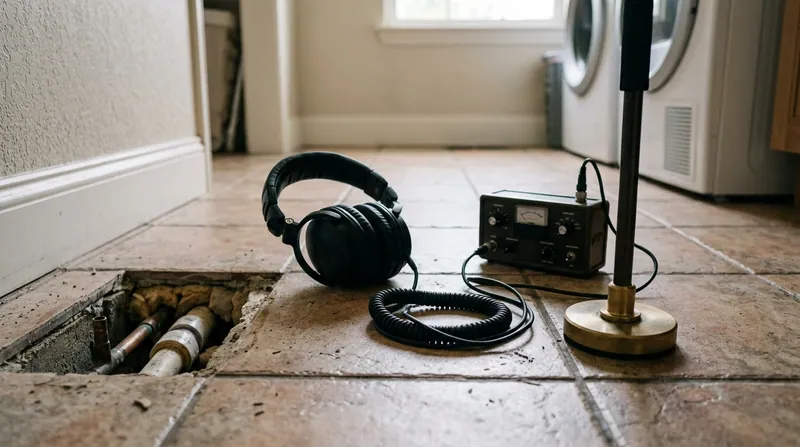
Leak detection is the work of finding water that is escaping where you cannot see it, before anyone opens a wall or a slab. The tools are pressure isolation, acoustic listening and thermal scanning. Locating the leak first is what keeps the repair small.
Is this you?
Signs You Need This
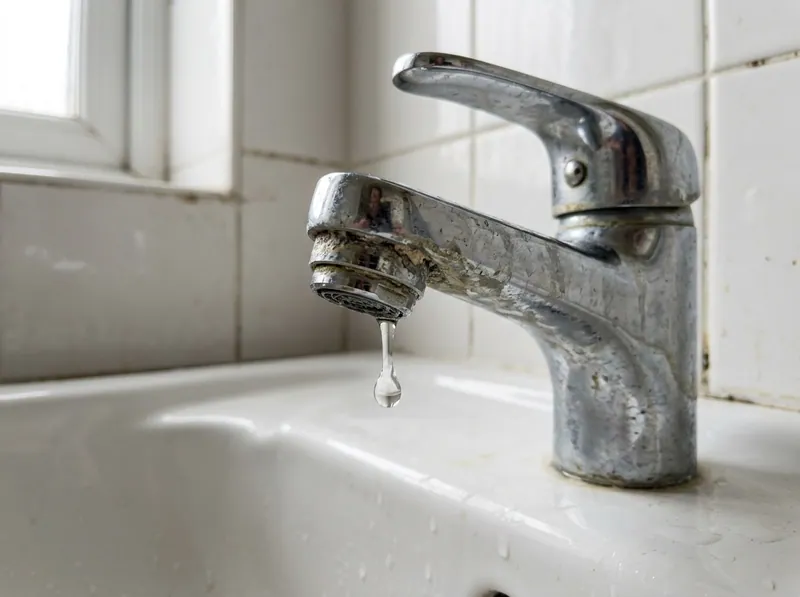
- A water bill that rose with no change in use
- The meter dial still moving with every fixture closed
- A warm patch on a tile or concrete floor
- A musty smell in one room that does not clear
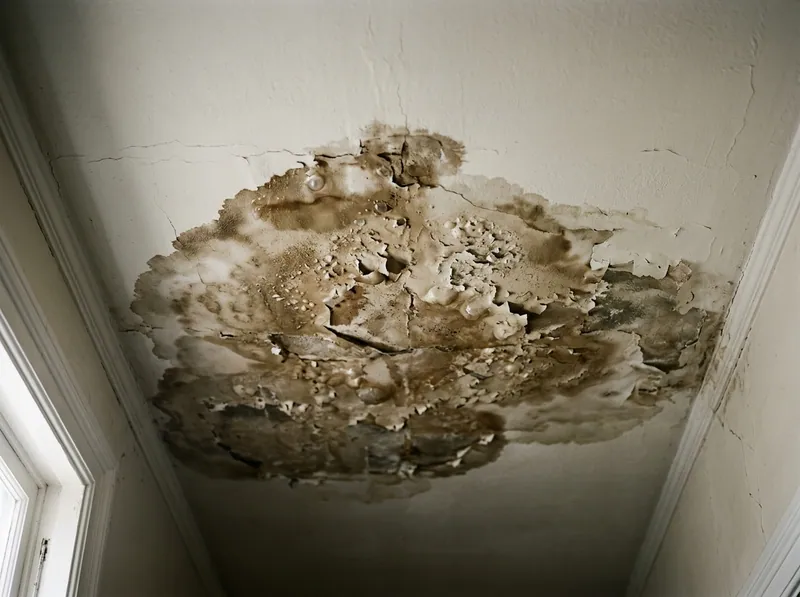
- Paint bubbling or a stain spreading on a wall or ceiling
- The sound of running water with nothing turned on
Talk to a plumber
Call Us
Tell us what is happening and you will get a straight answer on what it usually means and what it costs to find out.
Call Now (725) 444-5979Have these ready
- What failed, or what you can see
- Anything you have already shut off
- Whether the water is clean or waste
- How many fixtures are affected
- The age of the house, if you know it
Open 24 hours, 7 days a week.
What is included
What This Service Covers
| Meter and isolation test | Confirm there is a leak at all and split the system to say whether it is inside, outside, or on the irrigation. |
|---|---|
| Acoustic location | Listening equipment on pressurized lines to narrow a slab or wall leak to a point rather than a room. |
| Thermal scanning | Finding hot water lines under slab and tile by temperature difference. |
| Pressure testing | Isolating sections to prove which run is losing water. |
| Repair options | Spot repair, reroute around the failed section, or repipe, each with its own price, so the decision is yours. |
How it runs
How The Work Goes
- Confirm the leak existsMeter test with the house isolated. A surprising number of bill jumps are irrigation, not plumbing.
- Split the systemInside against outside, hot against cold. This is what turns the whole property into one run.
- Locate to a pointAcoustic and thermal work narrows it to where the floor or wall actually has to open.
- Quote the repair optionsSpot repair and reroute are priced separately, because on an old line the cheap fix is sometimes the expensive one.
What it costs
What Moves The Price
We do not publish a price list, because a real number depends on what is actually wrong. What we can tell you is exactly what the quote will turn on.
- Whether the leak is on a hot or cold line, because hot lines under slab are located differently
- Slab, wall or ceiling access, and what finish has to come out and go back
- Whether the failure is isolated or the run is at end of life, which is what decides repair against reroute
- Whether the line is copper, CPVC or polybutylene, since polybutylene changes the recommendation
How the estimate works. The cause gets diagnosed first, then you get the price for the work before it starts. Where repair and replacement are both reasonable, you see both numbers rather than one.
The service call. The diagnostic and callout policy is quoted on the phone before anyone is dispatched, including whether it is credited toward the work. Ask when you call, and you will get a straight answer rather than a figure invented for a web page.
Straight answers
The Questions People Actually Ask
Can you just cut the wall and look?
We can, and it is usually the most expensive way to find a leak. Locating first means opening one section instead of four.
My bill jumped but I see nothing.
That is the normal presentation of a slab or irrigation leak. The meter test with the house isolated tells you which within a few minutes.
Is a slab leak always a repipe?
No. A single failure on otherwise sound copper is often a spot repair or a short reroute. Repiping is the answer when the line itself is failing rather than one point on it.
Will you have to break the floor?
Only where the leak is, and only after it has been located. Rerouting overhead avoids the slab entirely on some layouts, and that gets priced alongside.
Where we work
Leak Detection And Repair Across The Valley
We cover this service across all the communities below. Each area page describes what we commonly find there.
Questions
Frequently Asked Questions
How do I know if I have a hidden leak?
Close every fixture, then watch the water meter. If it is still moving, water is going somewhere. That single test costs nothing and settles it.
What is a slab leak?
A leak in a supply line running beneath the concrete floor slab. Warm floor spots, unexplained bills and the sound of water with everything off are the usual signs.
Can you find a leak without breaking anything?
Locating is non destructive: acoustic listening, thermal imaging and pressure isolation. The repair is what needs access, and it is kept as small as the location allows.
Could it be my irrigation instead?
Often, and in Las Vegas that is worth ruling out first. Isolating the irrigation at its valve and re reading the meter separates the two.
Does hard water cause leaks?
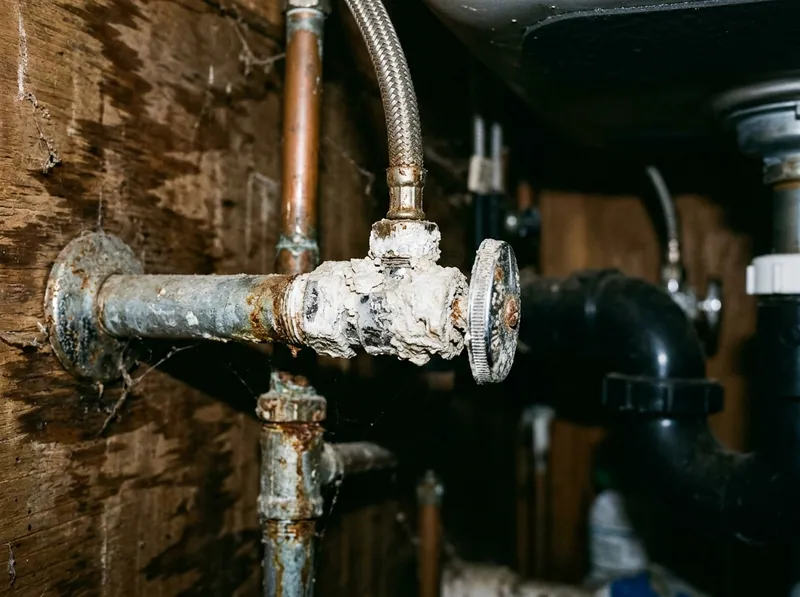
Not directly, but scale accelerates wear on valves and fittings, and the valley water is classed very hard at 291 parts per million by the Las Vegas Valley Water District. Fittings here see more mineral stress than in a soft water city.
Should I repair or reroute?
You get both prices. A reroute costs more up front and avoids repeating the work when the next pinhole appears on the same run.
Need Leak Detection And Repair In Las Vegas?
Call (725) 444-5979 for a straight answer. The line is open 24 hours a day.