Why this matters more in Las Vegas
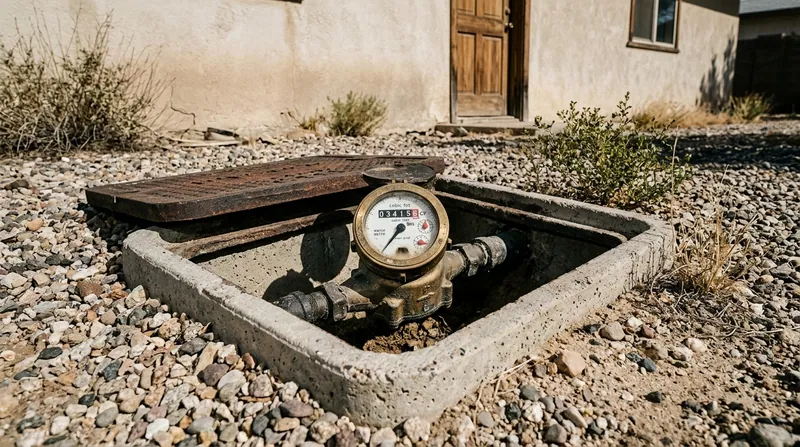
Slab on grade is the dominant residential construction method across the Las Vegas valley. The house sits directly on a concrete slab, and in most of them the water supply lines run underneath that slab rather than through a basement or a crawlspace.
That means a leak on a supply line has no visible path. There is no dripping ceiling and no wet patch under a sink. The water goes into the ground beneath the floor, and the only evidence is indirect.
It also means the leak can run for a long time before anybody notices. A slab leak is not usually discovered because someone saw it. It is discovered because a bill was strange, a floor felt warm, or a plumber ran a meter test for another reason entirely.
The signs, in the order people usually notice them
A water bill that rose with no change in how much water you use. This is the most common first sign, and it is easy to dismiss for a month or two, which is exactly what makes it expensive.
A warm or hot patch on a tile or concrete floor. A leak on the hot line under a slab heats the concrete above it, and the patch is often noticed with bare feet before it is noticed any other way. This one is close to conclusive.
The sound of running water with every fixture closed. Not always audible, but when it is, it is worth acting on.
A musty smell in one part of the house that does not clear, or flooring that has started to lift or cup in one area.
Cracks appearing in a floor or a wall, which is a later sign and a more serious one, because it means the ground beneath the slab has been saturated long enough to move.
Hot water that seems to run out faster than it should, which happens when a leak on the hot line is continuously bleeding heated water into the ground.
The test that settles it
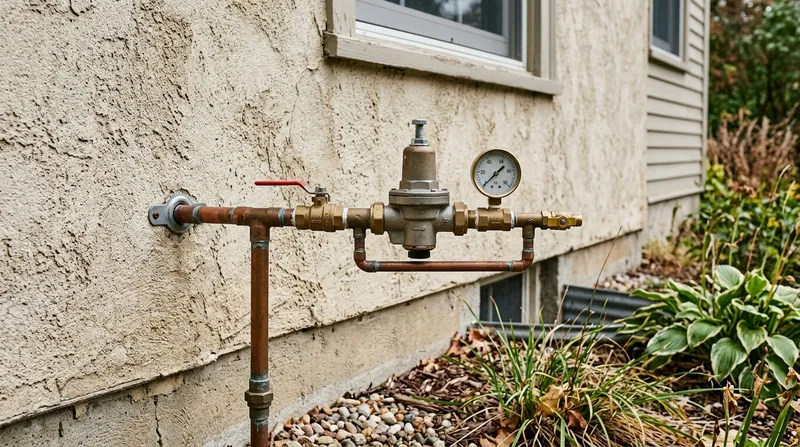
Close every fixture in the house. Every tap, the dishwasher, the washing machine, the ice maker, and if you can isolate it, the irrigation. Then look at the water meter.
If the meter is still turning, water is going somewhere. That single observation is the most useful thing a homeowner can do, and it takes a few minutes.
The irrigation caveat matters a great deal in Las Vegas. Landscape irrigation is a very common cause of an unexplained bill increase, and on larger lots it is at least as likely as a slab leak. Isolating the irrigation at its valve and re reading the meter separates the two, and it decides which investigation you should actually pay for.
If the meter stops when the irrigation is isolated, the problem is outside. If it keeps turning, it is inside, and that is when locating equipment earns its place.
Finding it without breaking the floor
Locating a slab leak is non destructive. Acoustic equipment listens for the sound of escaping water through the slab on a pressurised line. Thermal imaging finds hot water lines by the temperature difference they create. Pressure isolation splits the system so a specific run can be proven to be the one losing water.
The point of locating first is simple economics. A located leak means opening one section of floor. An unlocated leak means opening several and guessing, which costs more in finish work than the plumbing repair does.
Repair, reroute or repipe
Once a leak is located there are usually three options, and a reasonable plumber prices more than one.
A spot repair opens the floor at the leak, cuts out the failed section and replaces it. It is the least disruptive and it is the right answer when the pipe is otherwise sound and this is an isolated failure.
A reroute abandons the failed run under the slab and takes a new line through accessible space instead, often overhead. It costs more than a spot repair and it avoids repeating the work the next time that run fails, which matters when the run has already failed once.
A repipe replaces the supply system. It is the answer when the pipe material itself is failing rather than one point on it, which is the case with repeated pinholes or with polybutylene failing at fittings. It is not the answer to a single leak, and a first visit that goes straight to a repipe quote without any failure history behind it deserves a second opinion.